


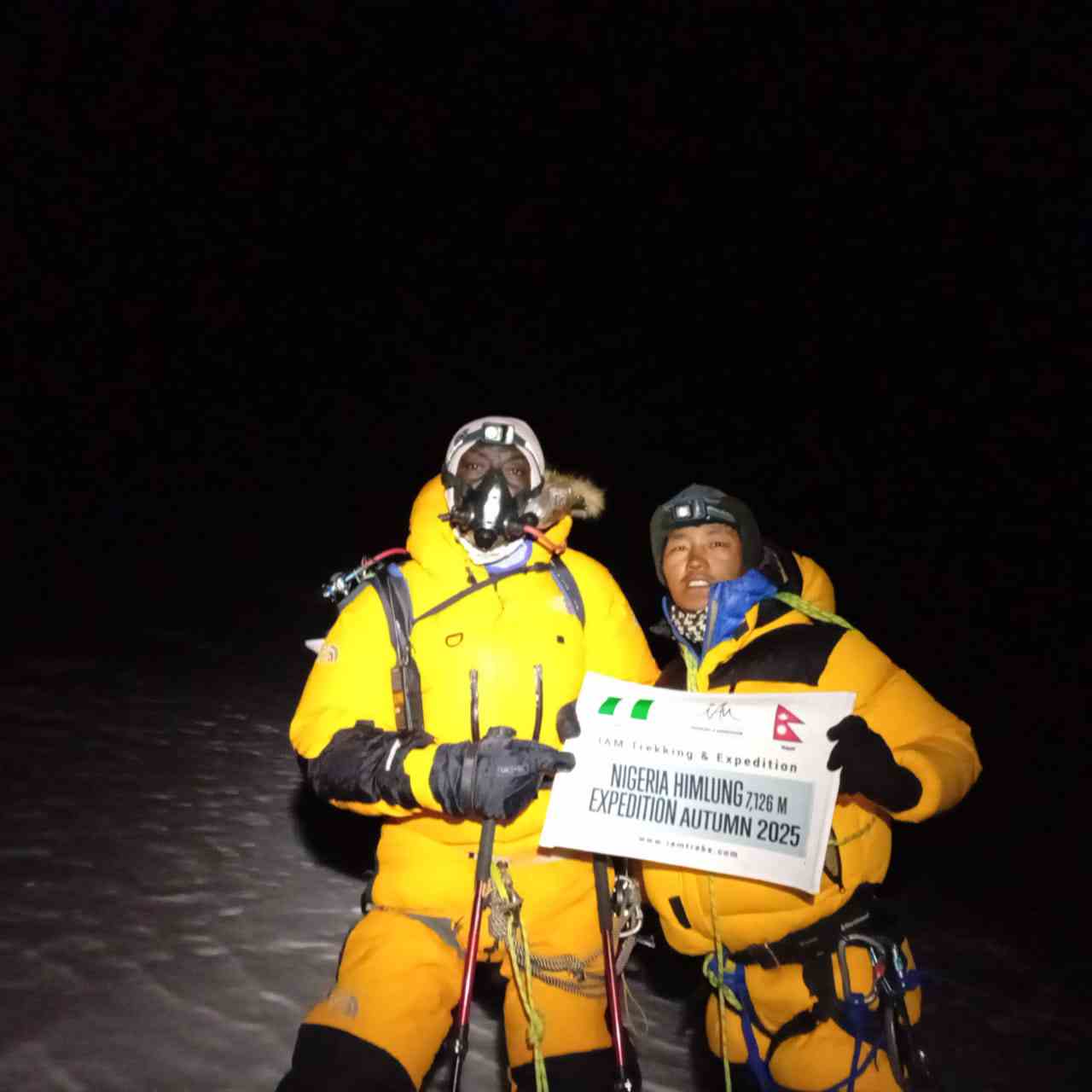
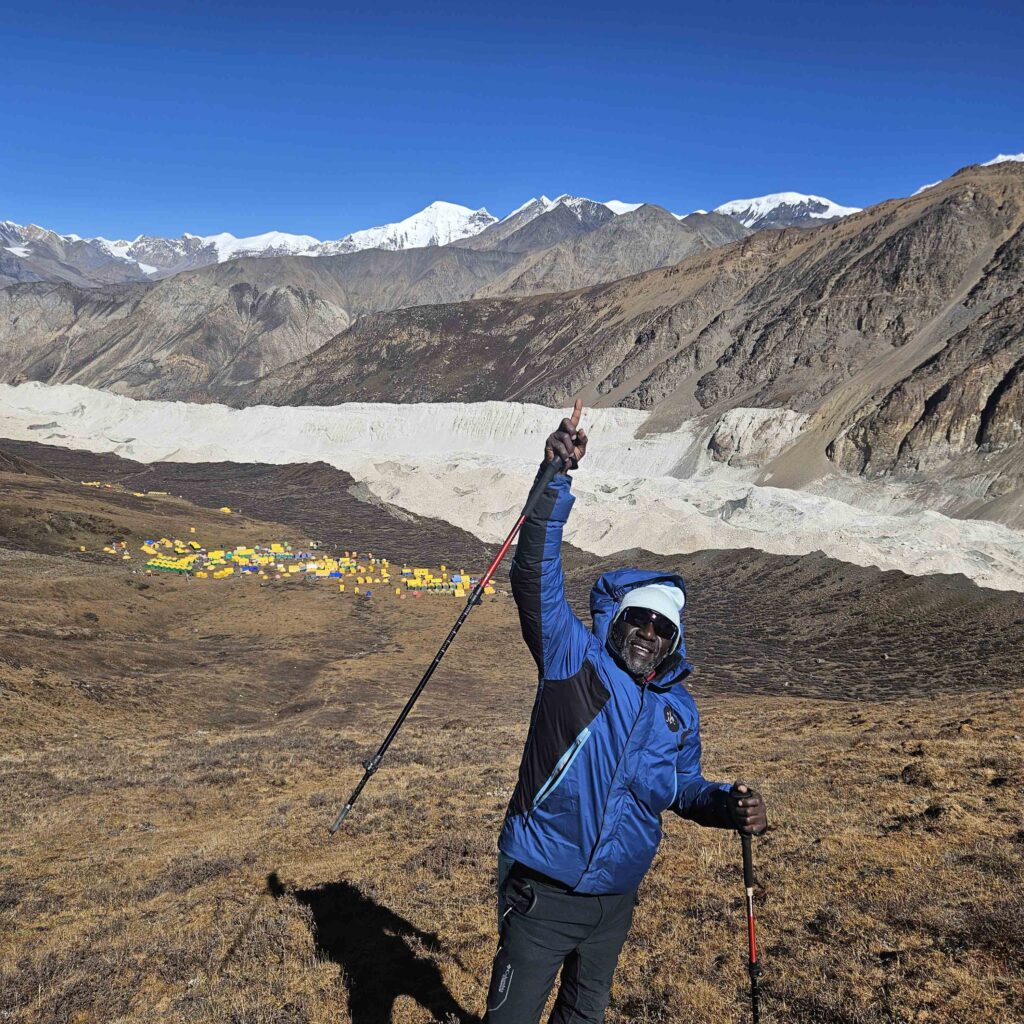
Abdulsalam Omuya Lukeman – an award-winning Nigerian geologist and Geotourism guide – recently pushed the frontiers of high-altitude geo-tourism expedition during a demanding expedition to Himlung Himal in the Himalayas. Widely regarded as a critical preparatory climb ahead of a future attempt on Mount Everest, the expedition tested not only his technical skill but also his endurance, judgment and resolve.
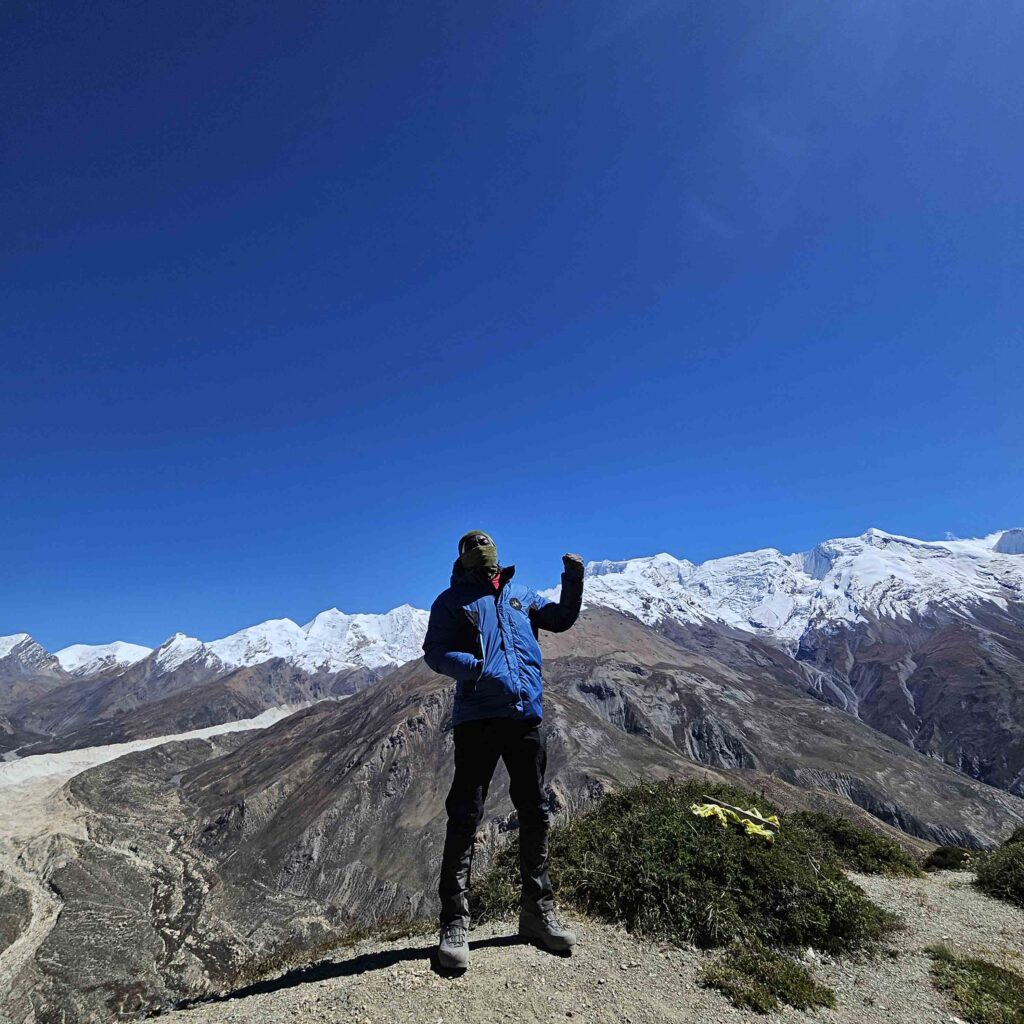
Rising to 7,126 meters above sea level, Himlung Himal occupies a unique place in the mountaineering world – a transitional giant that bridges advanced expedition climbing and the unforgiving realm of extreme-altitude ascents.
For Lukeman, the mountain was more than a summit objective; it was a convergence of science, spirit and personal purpose – an opportunity to experience Earth’s geological formations while confronting the physiological limits imposed by thin air, extreme cold, and ferocious glacial winds.
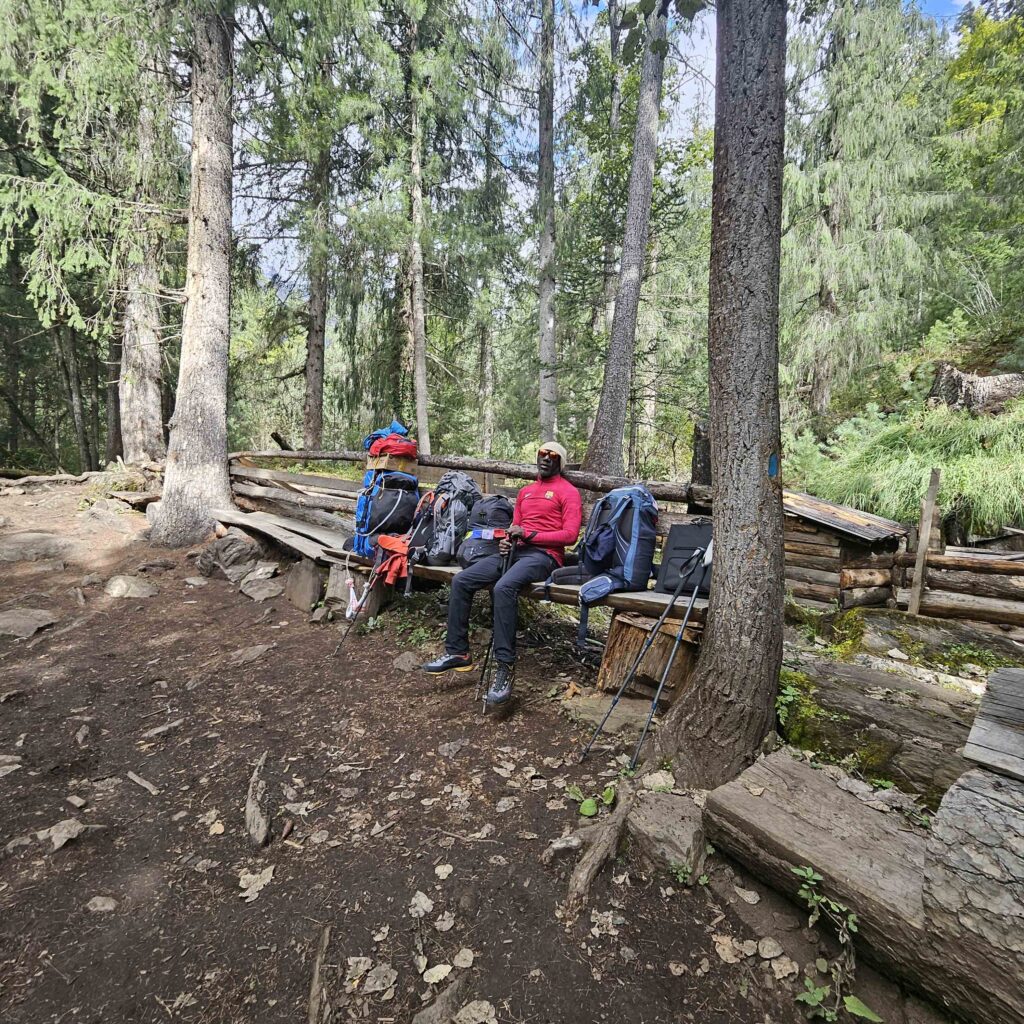
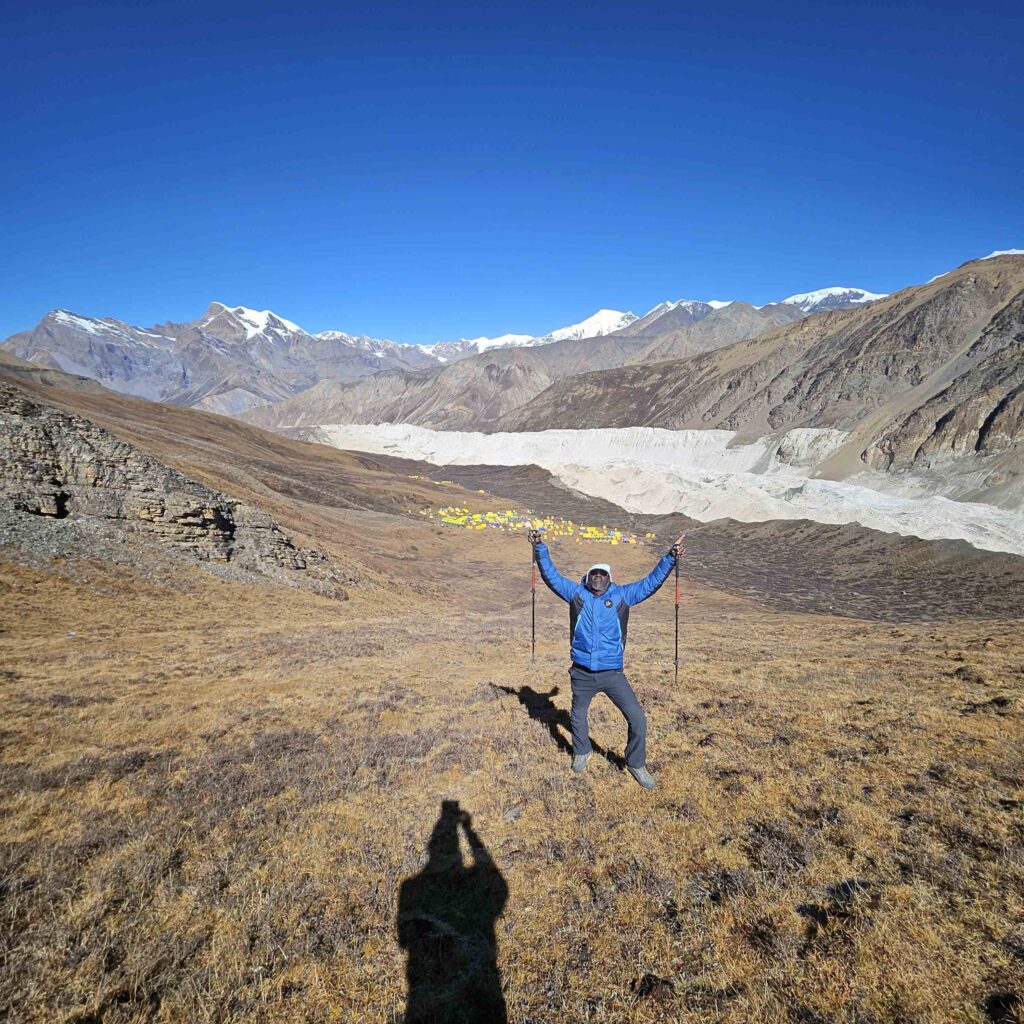
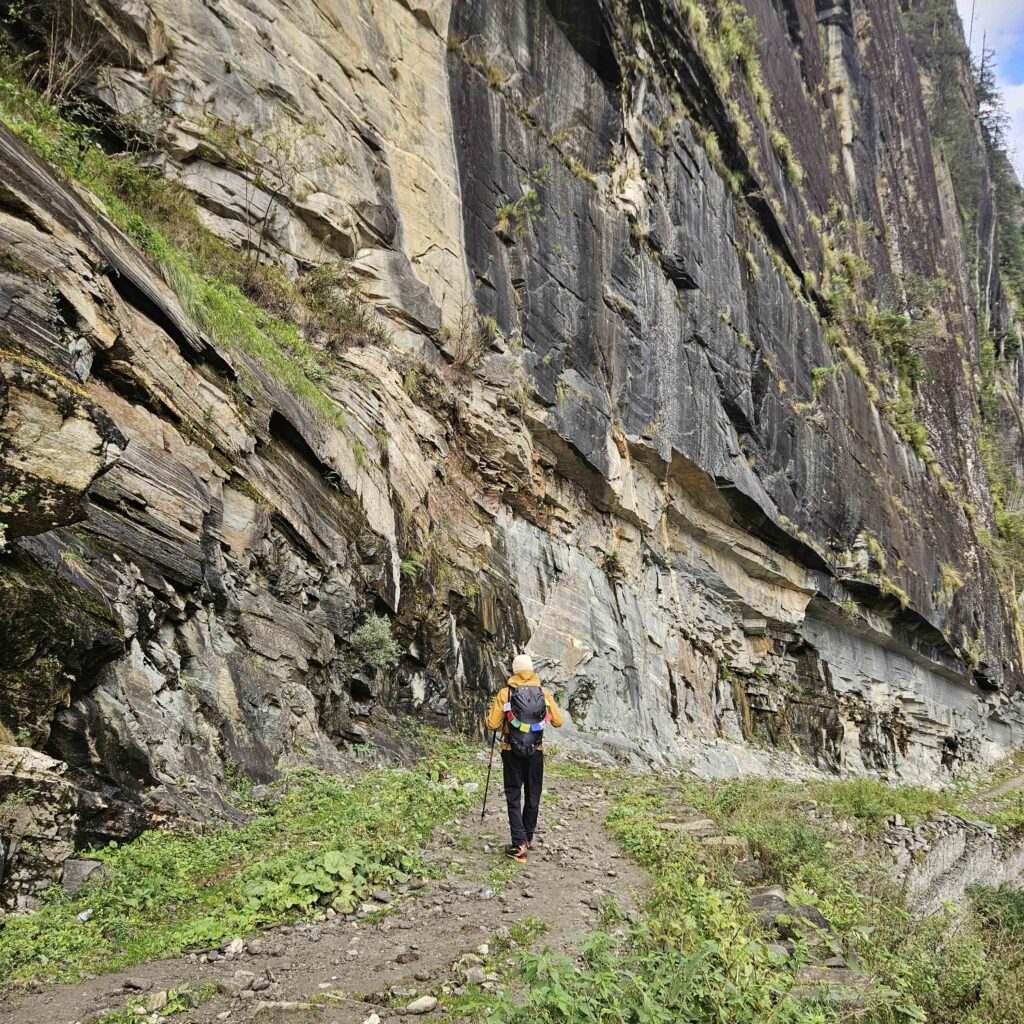
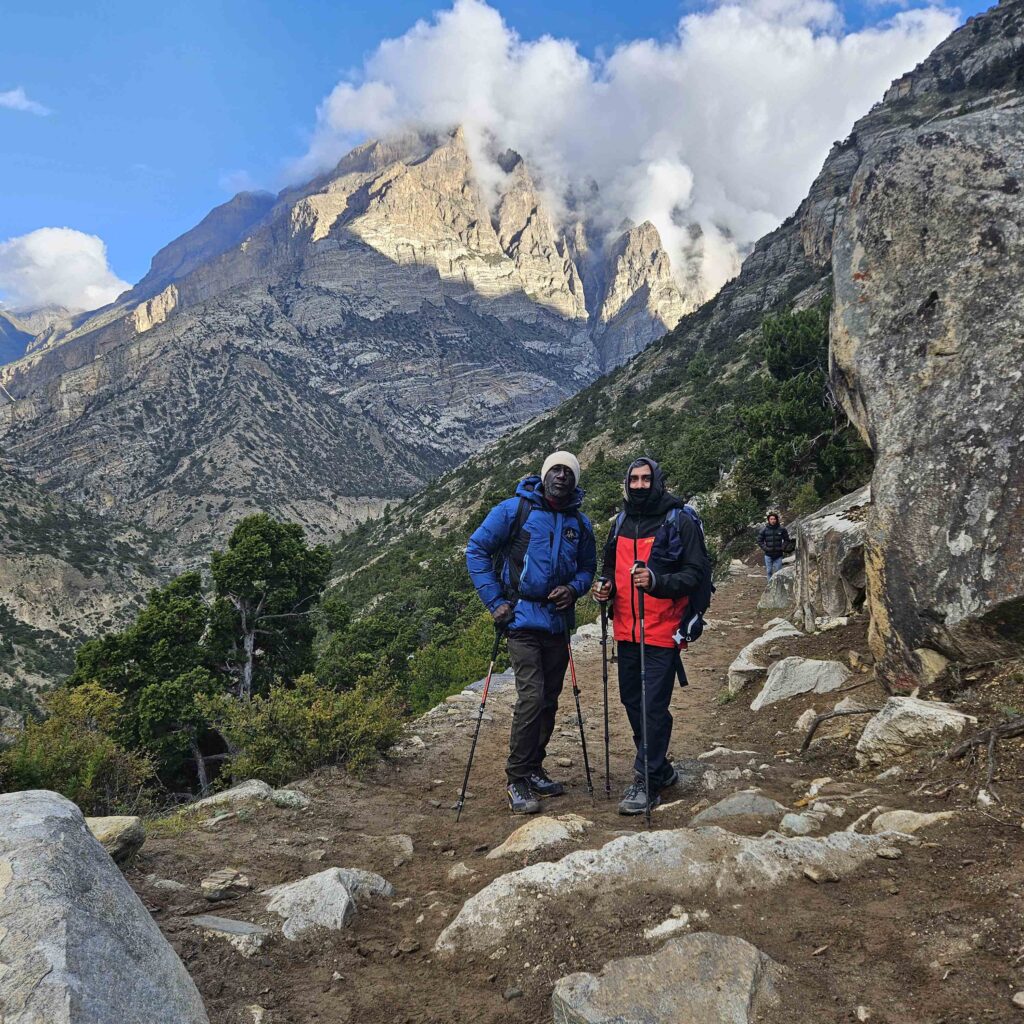
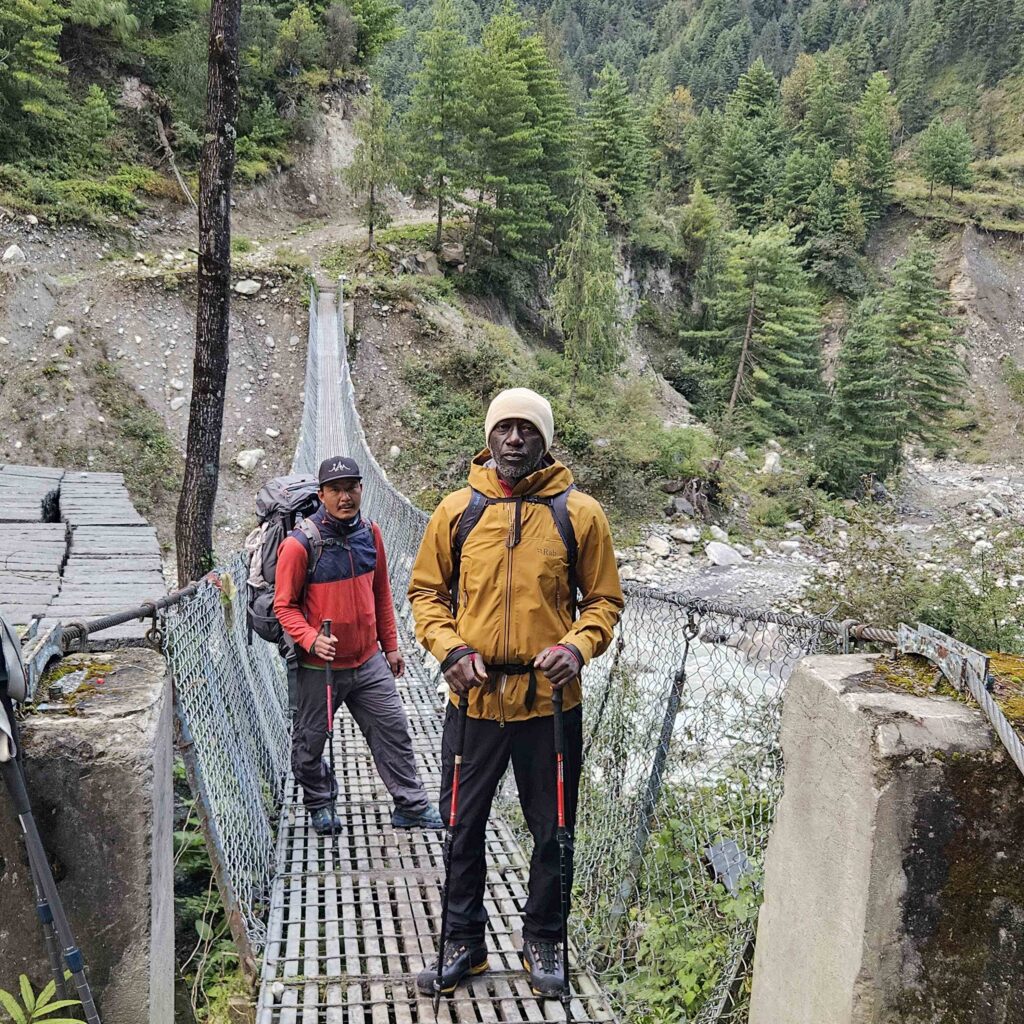
The expedition unfolded through a disciplined acclimatization schedule. Beginning at Phu Village after exhaustively trekking from Dharapani through Koto, then advancing to Meta before Connecting to the picturesque Phu village for acclimatization.
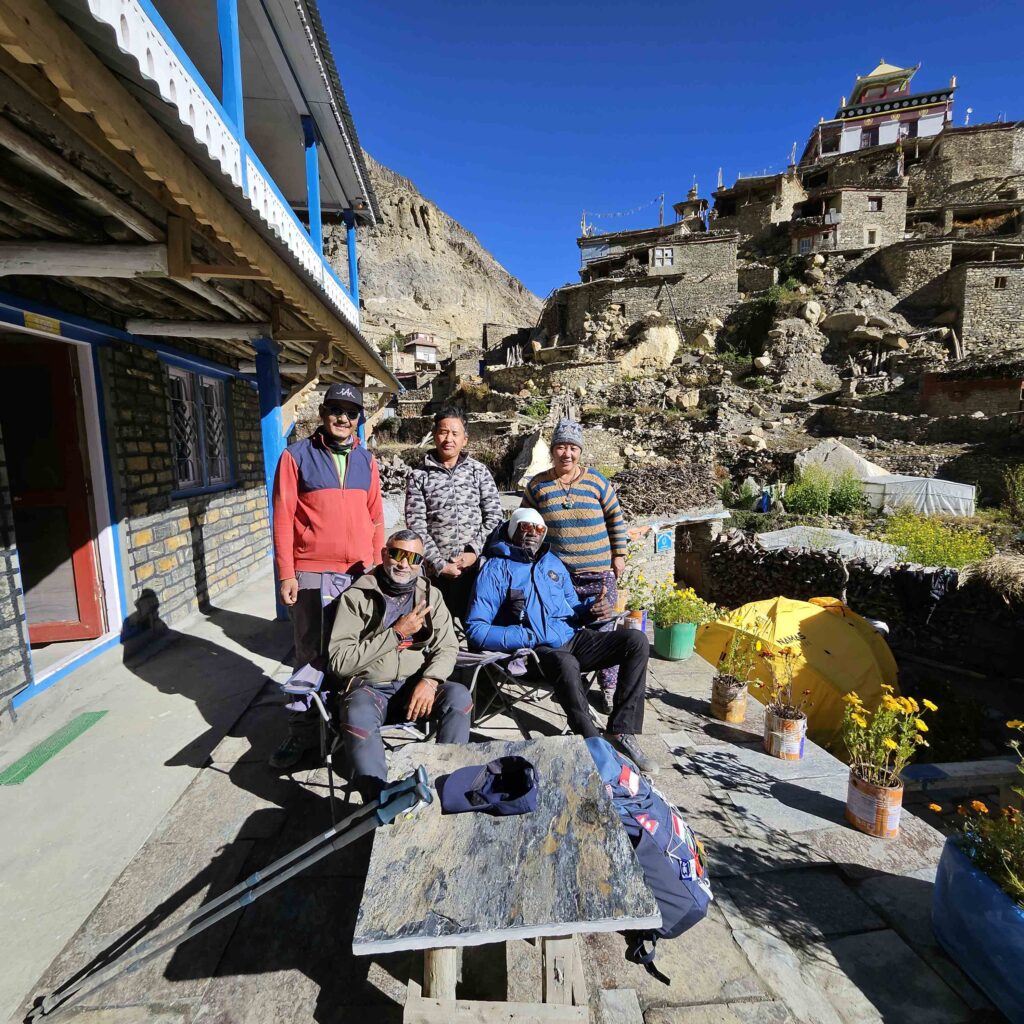
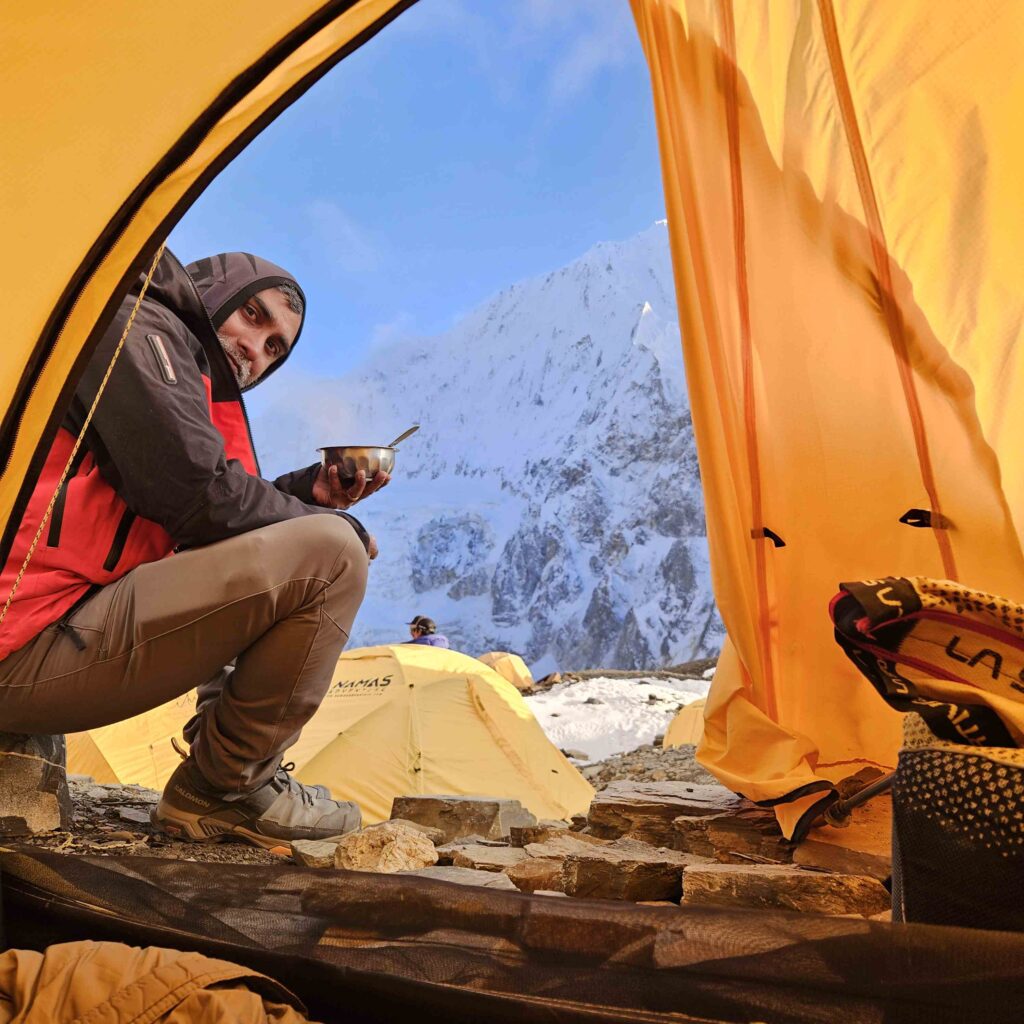
This was the first 2 days before proceeding to base Camp (4,900m), the team advanced methodically through Camp I (5,400m) and Camp II (6,000m), navigating steep snowfields and glaciated terrain. Demonstrating strong adaptation to altitude, Lukeman progressed steadily, eventually reaching Camp III at 6,200m – the final staging point before the summit push.
It was here that the mountain began to assert its will.
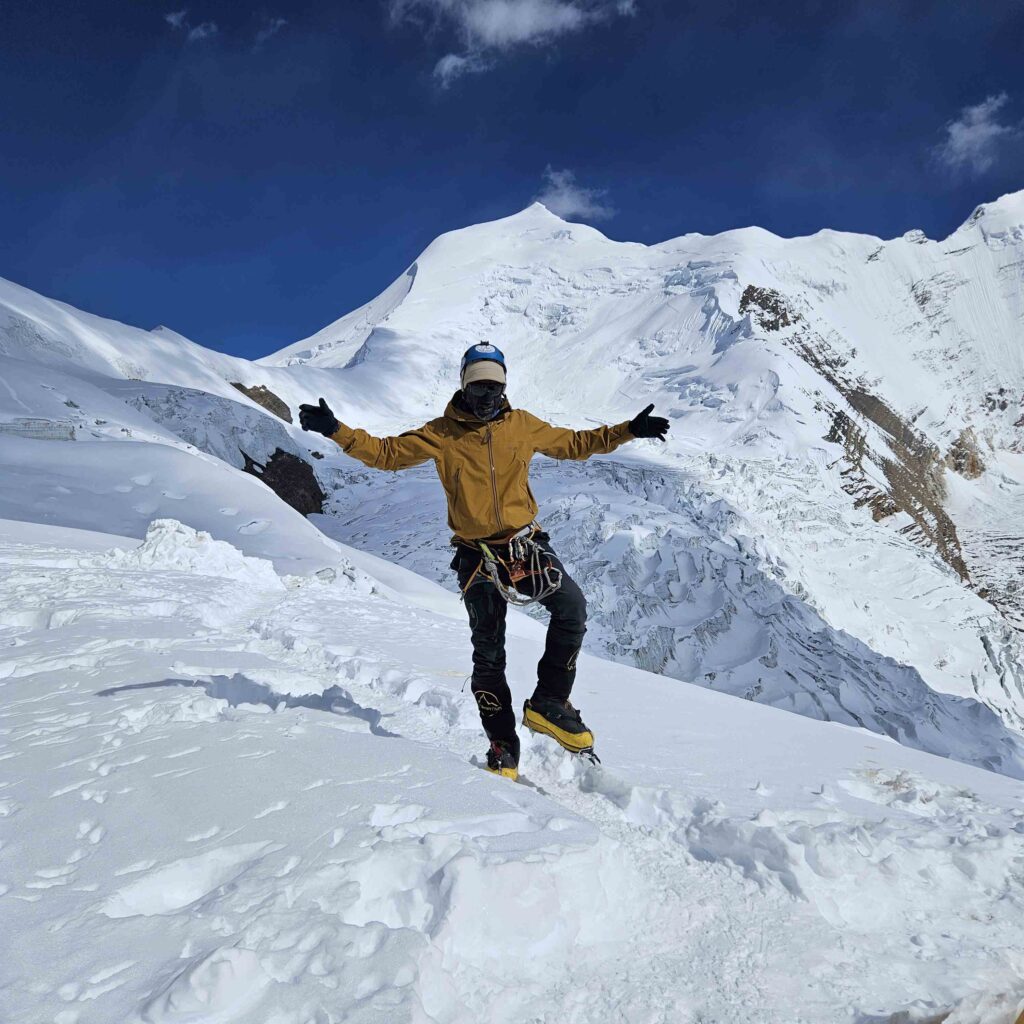
During summit push as the final ascent intensified, weather conditions deteriorated with alarming speed. High winds gathered force, snowfall thickened, visibility collapsed and temperatures plunged. The challenging alpine weather escalated into a full-blown blizzard at approximately 6,800 meters – just 326 meters shy of the summit.
The mountain had drawn a line.
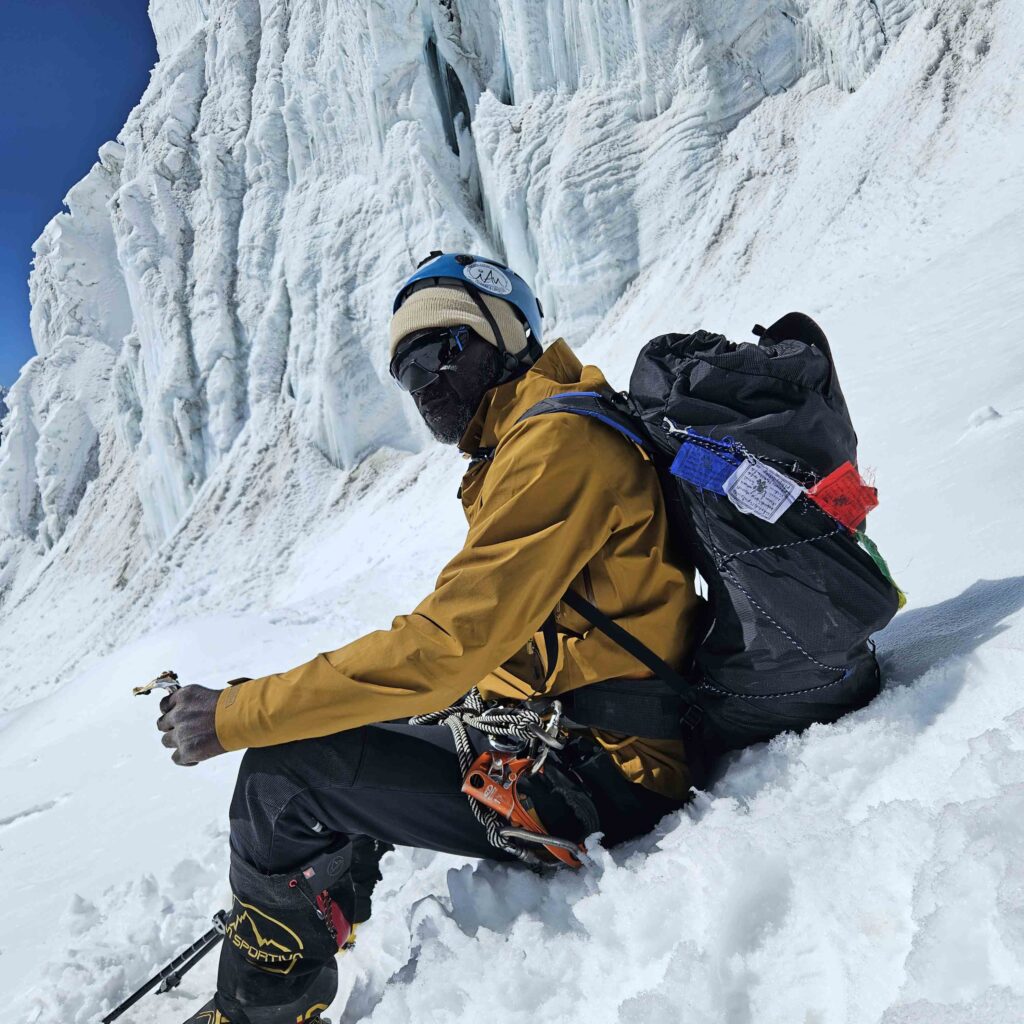
Violent snow lashed at exposed skin, and without glacier glasses, which he momentarily pulled off, the assault of ice particles rendered Lukeman temporarily blinded. The world dissolved into white chaos. Visibility dropped to near zero as winds howled across the slope, and each step forward became a negotiation with uncertainty.
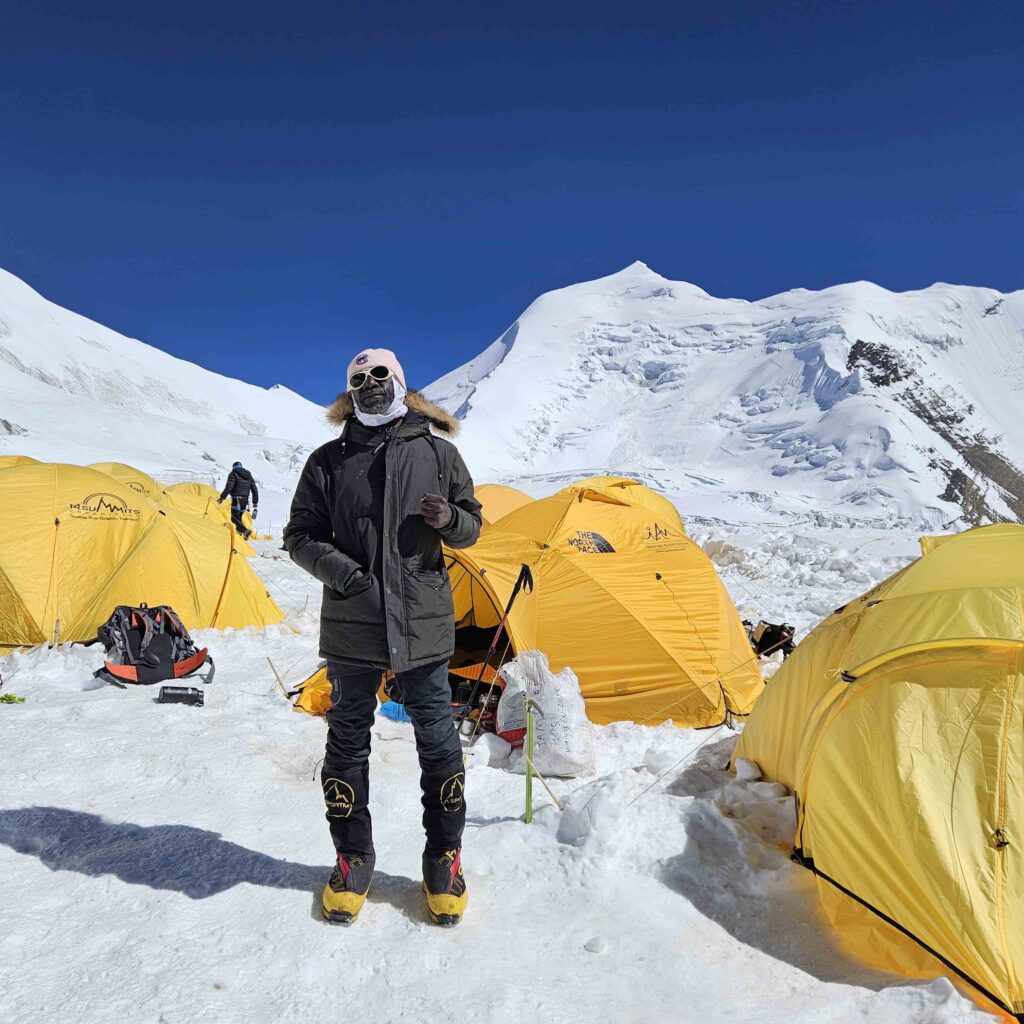
At that altitude, oxygen was scarce enough to demand supplemental support. Breathing grew labored behind the oxygen mask as the body strained against the combined effects of cold, exhaustion and thinning air.
The margin for error had vanished.
Yet, the summit lingered – close enough to tempt, distant enough to punish.
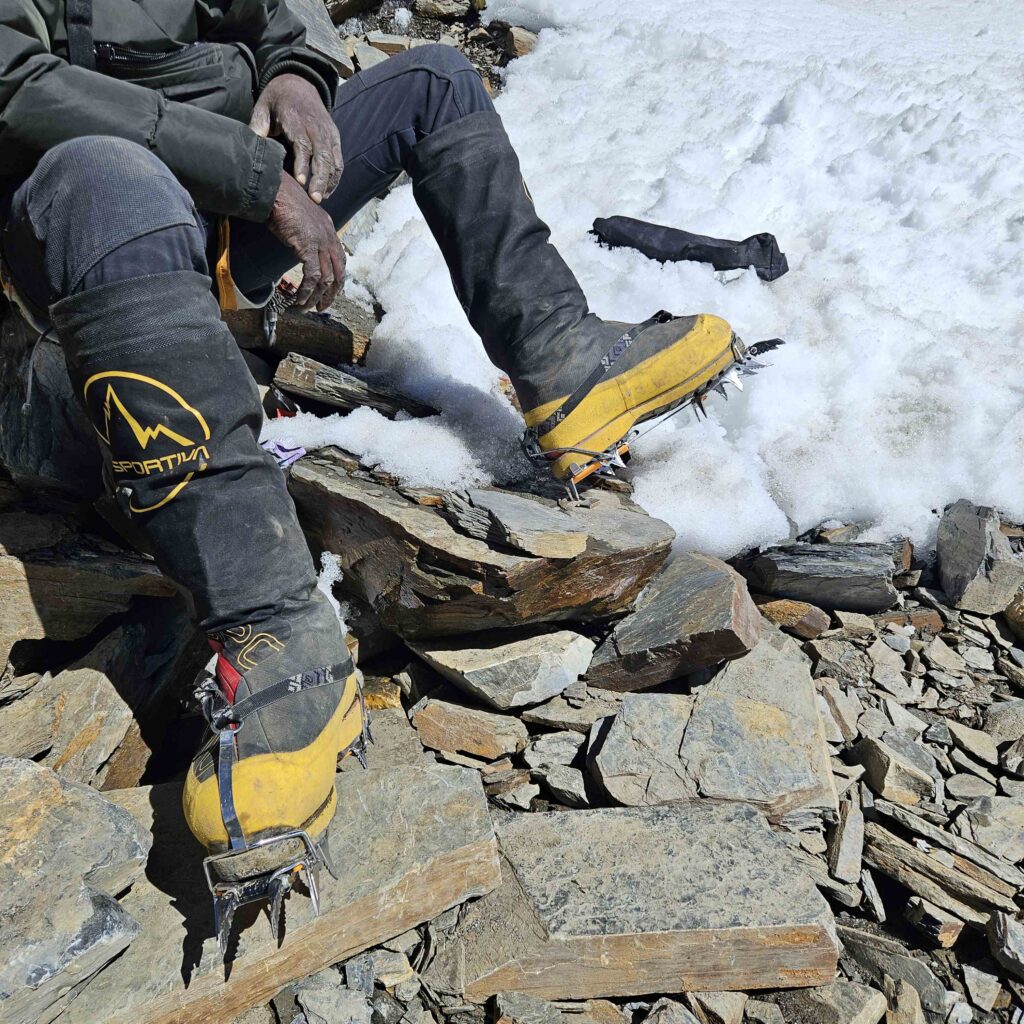
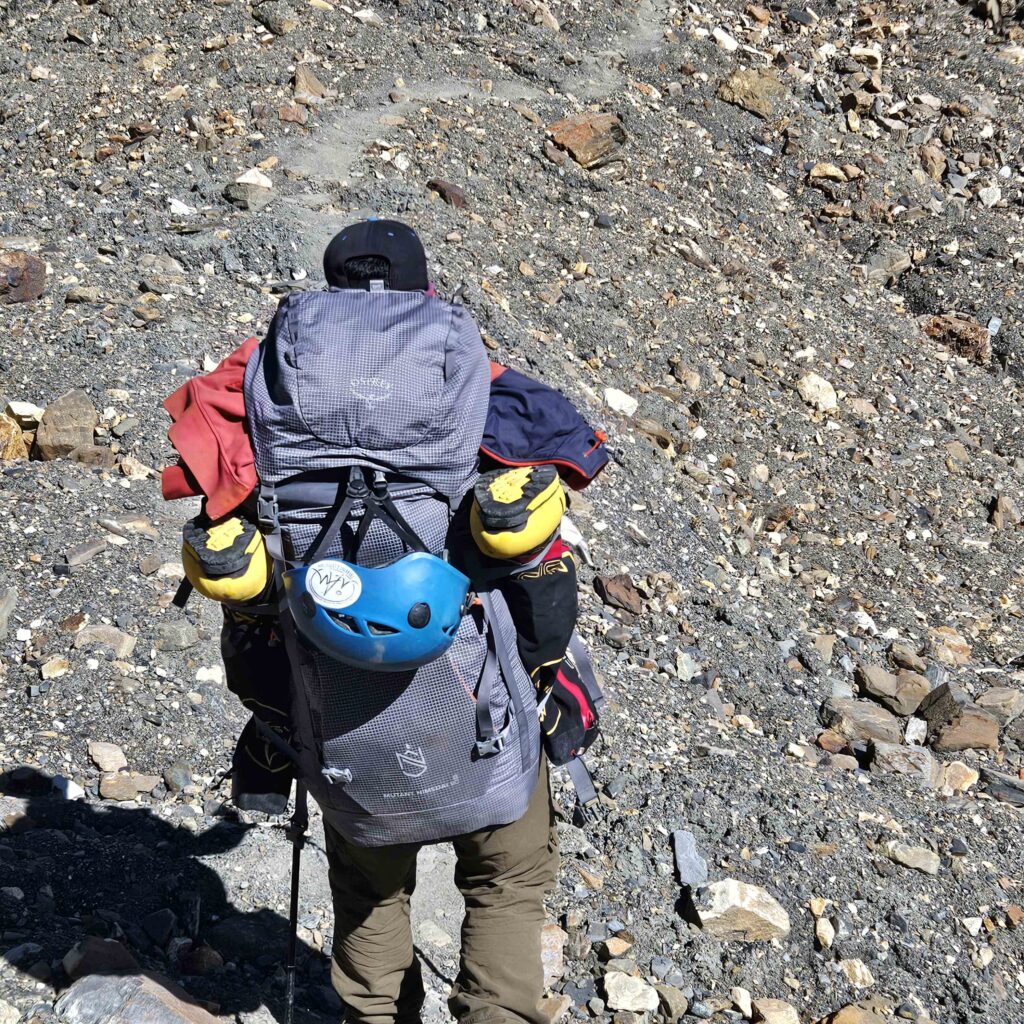
Driven by proximity and purpose, Lukeman pressed on briefly into the storm. But the mountain’s message was unmistakable. The blizzard, coupled with the rising risks of disorientation, frostbite and altitude-related complications, forced a collective reckoning.
The decision was made.
Despite standing within striking distance of the summit, the climb was called off. It was a retreat measured not in failure, but in wisdom.
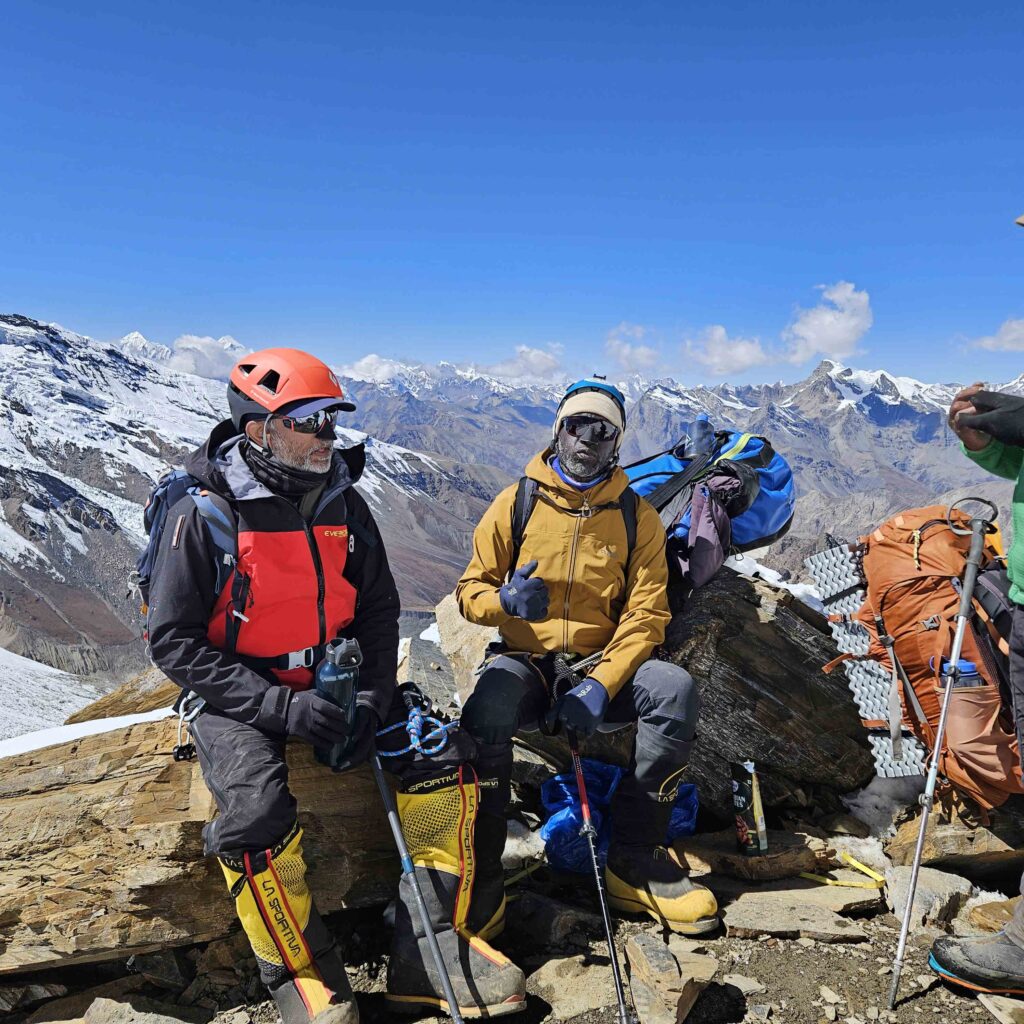
In the unforgiving calculus of high-altitude mountaineering, survival is the only true success. As Lukeman would later reflect, the choice was painful – but necessary. The summit would remain, as mountains always do, waiting for those willing to return better prepared.
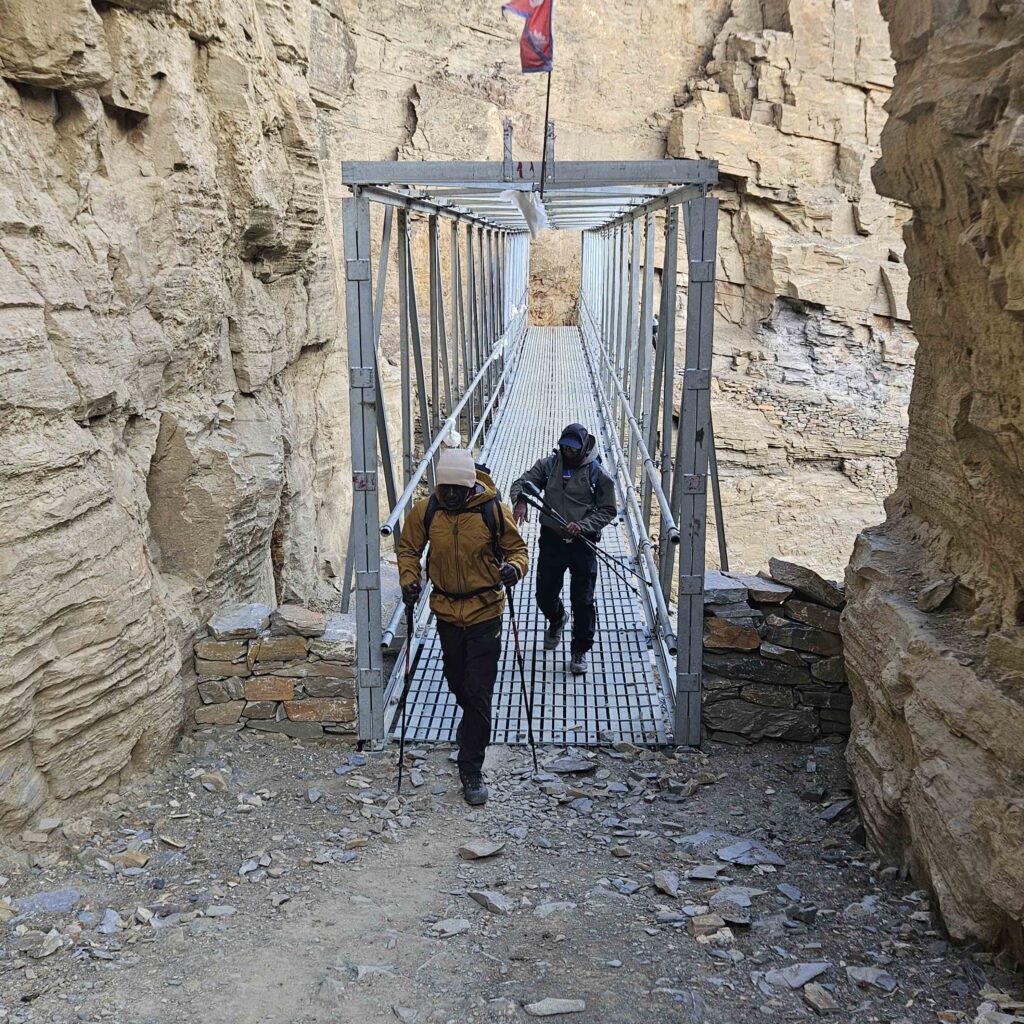
Even in withdrawal, the expedition achieved its deeper purpose. Lukeman gained valuable geo-tourism exposure – glacial structures, rock formations and environmental transitions unique to the Himalayan alpine zone – further enriching his growing body of fieldwork across extreme environments.
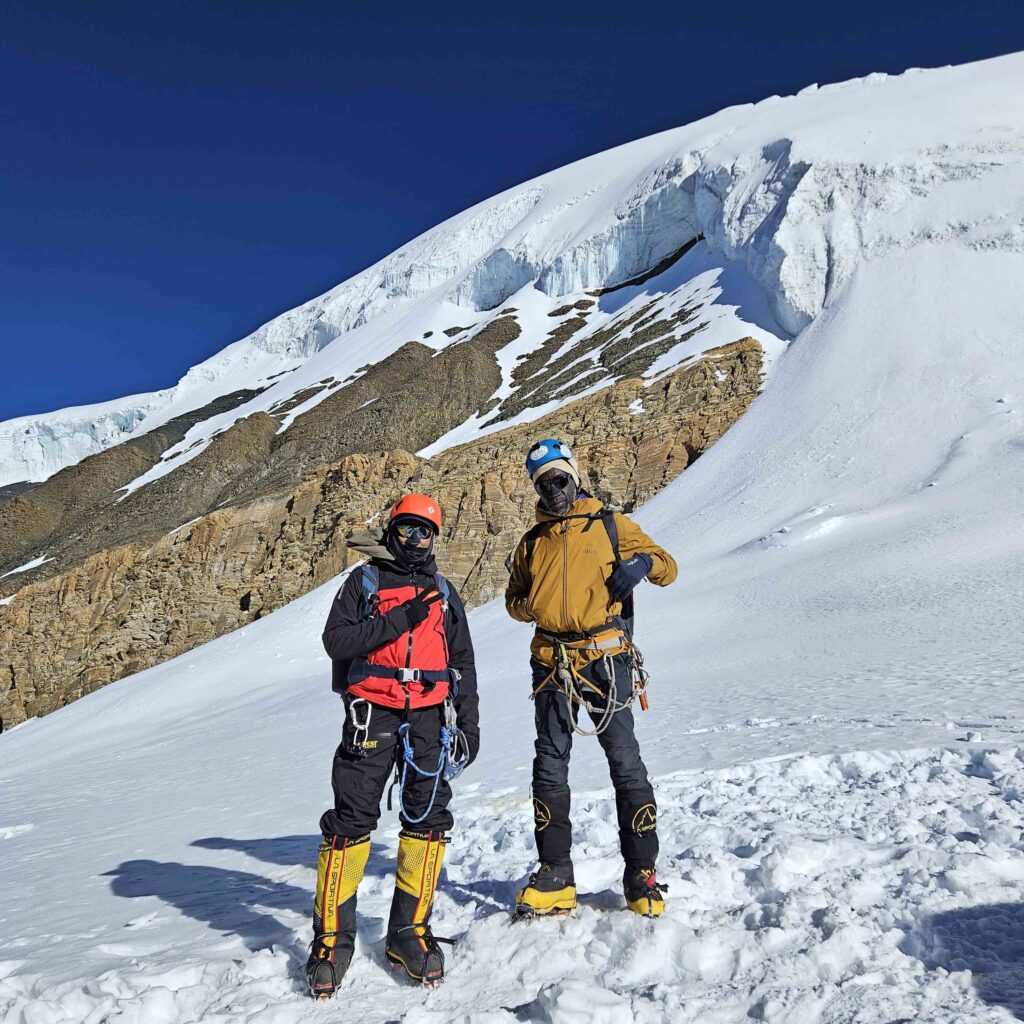
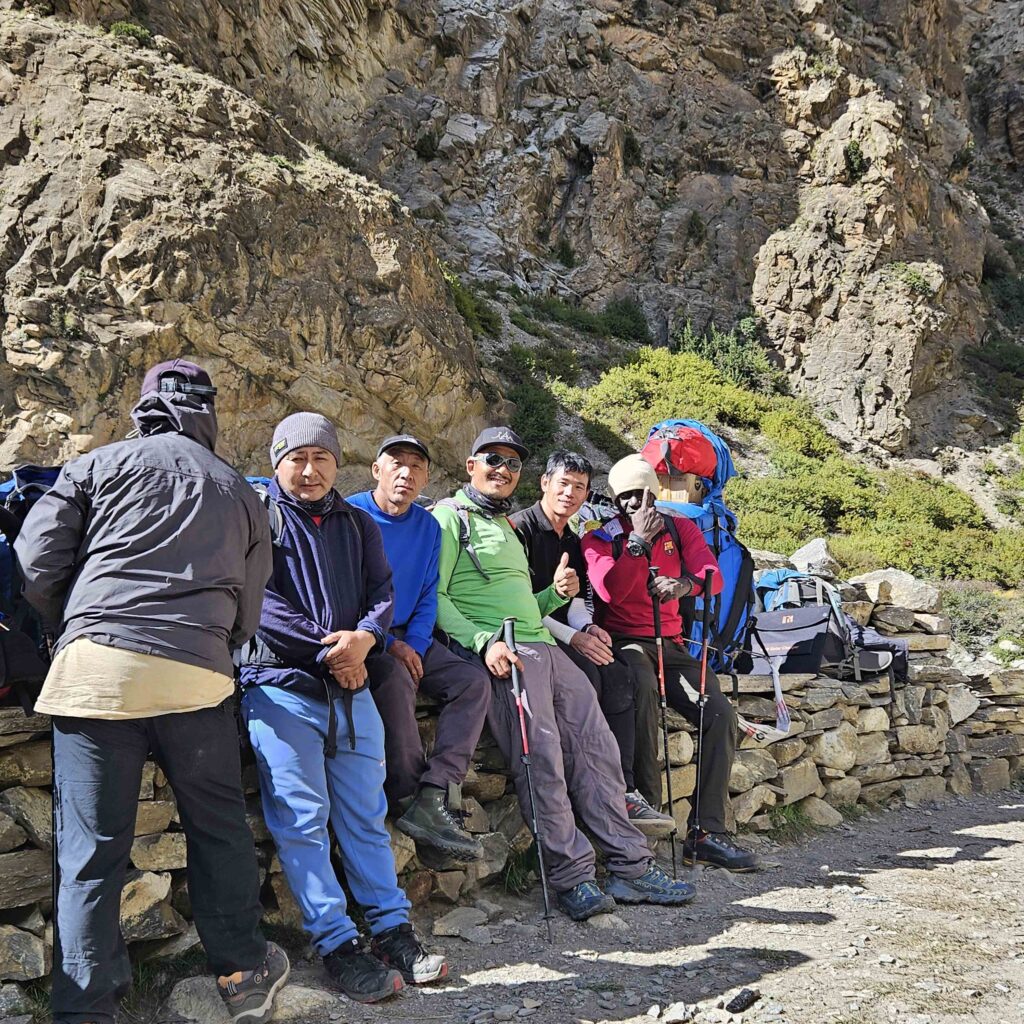
Reflecting on the experience, he offered a perspective shaped by both science and struggle:
“The mountains teach humility. Progress is not always measured by standing on the summit, but by the knowledge gained – and by returning safely with experience that prepares you for greater heights.”
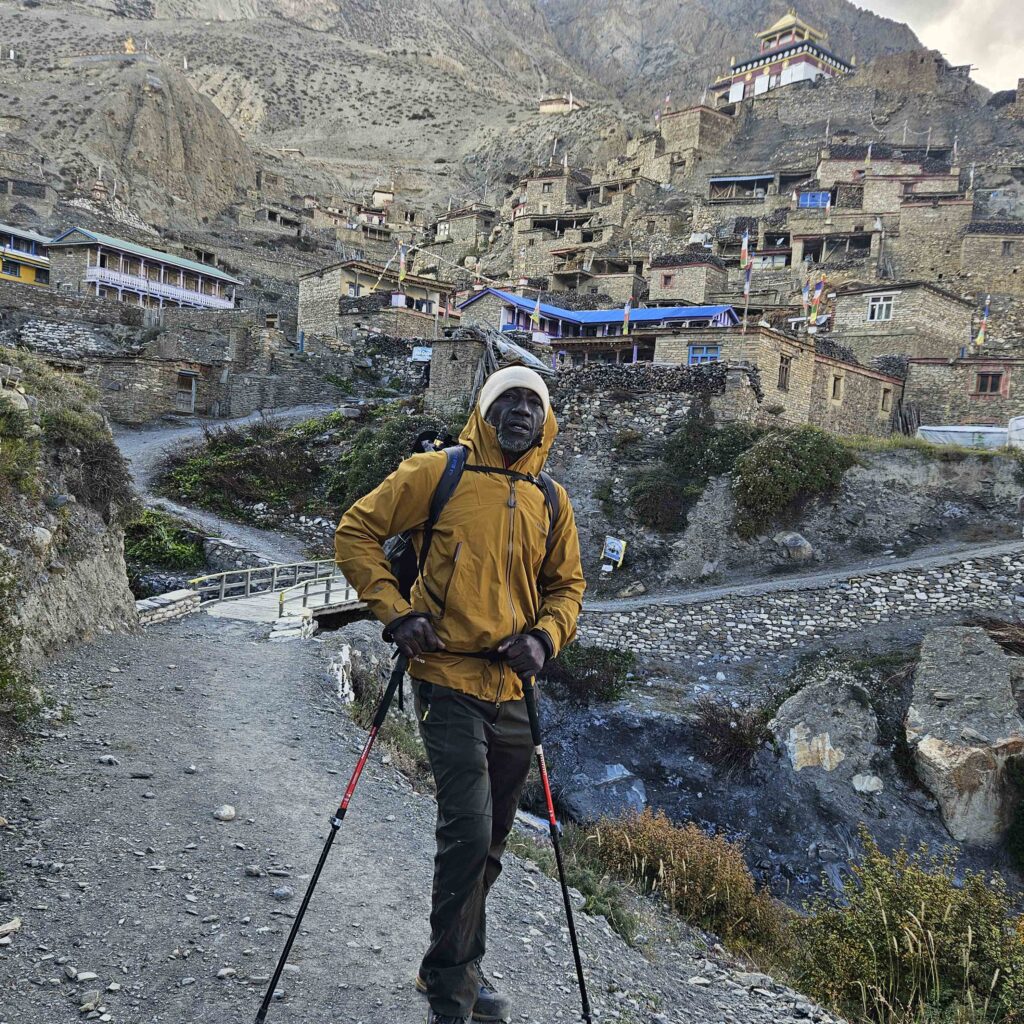
Himlung Himal expedition now stands as a defining chapter in Lukeman’s expanding portfolio of high-altitude geo-tourism expeditions across Africa and Asia.
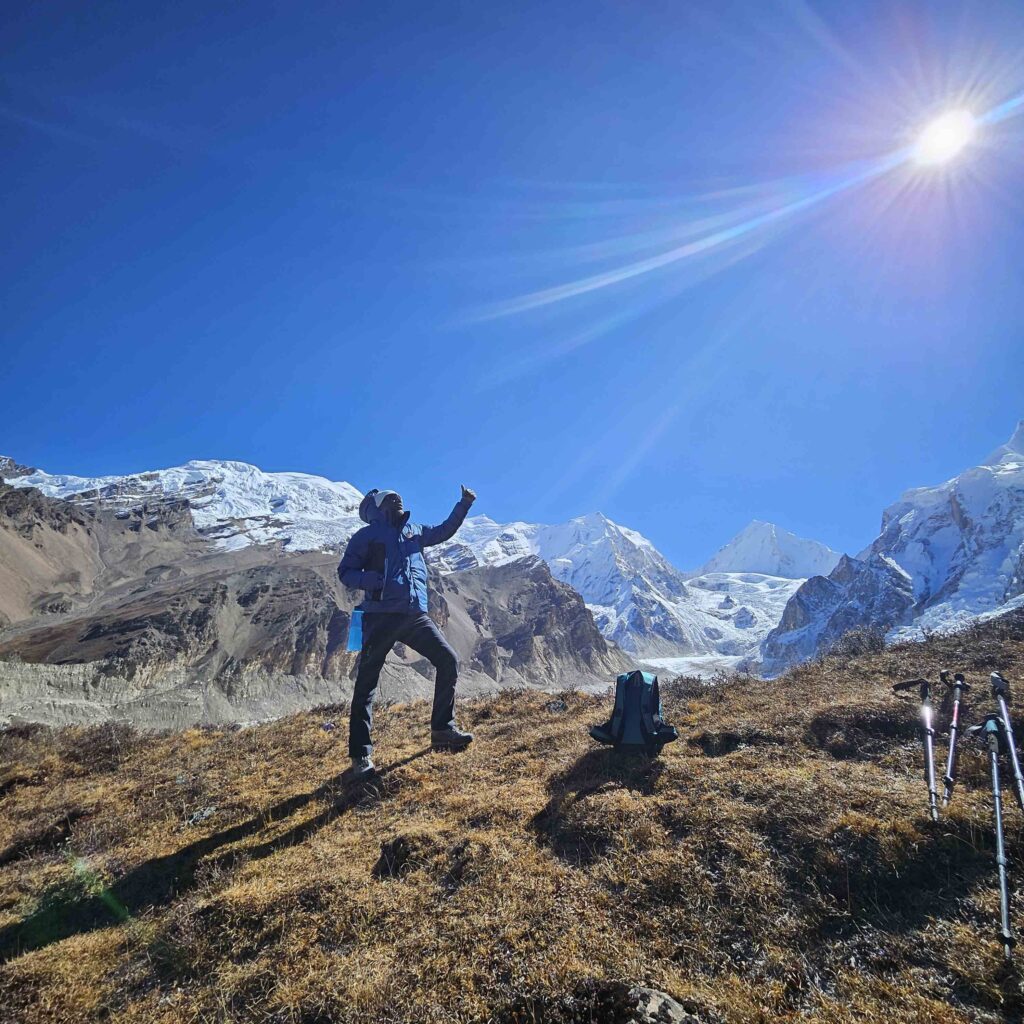
More importantly, it has sharpened both his technical readiness and physiological resilience for a future attempt on Mount Everest – the highest mountain on Earth.
Beyond the climbs themselves, Lukeman continues to fuse science, exploration and storytelling, using each expedition as a platform to advance geology, promote Geotourism and inspire a new generation of Nigerian adventurers to push beyond perceived limits.
Himlung Himal, in the end, was not a story of defeat. It was a valuable lesson in restraint pioneers must confront. A mountain that demanded patience instead of conquest – refining the discipline required for the greater summit that still lies ahead.
For any inquiries or messages, please feel free to reach out to me via email @omuyalooks@yahoo.com

